Calming music for dogs and cats at night
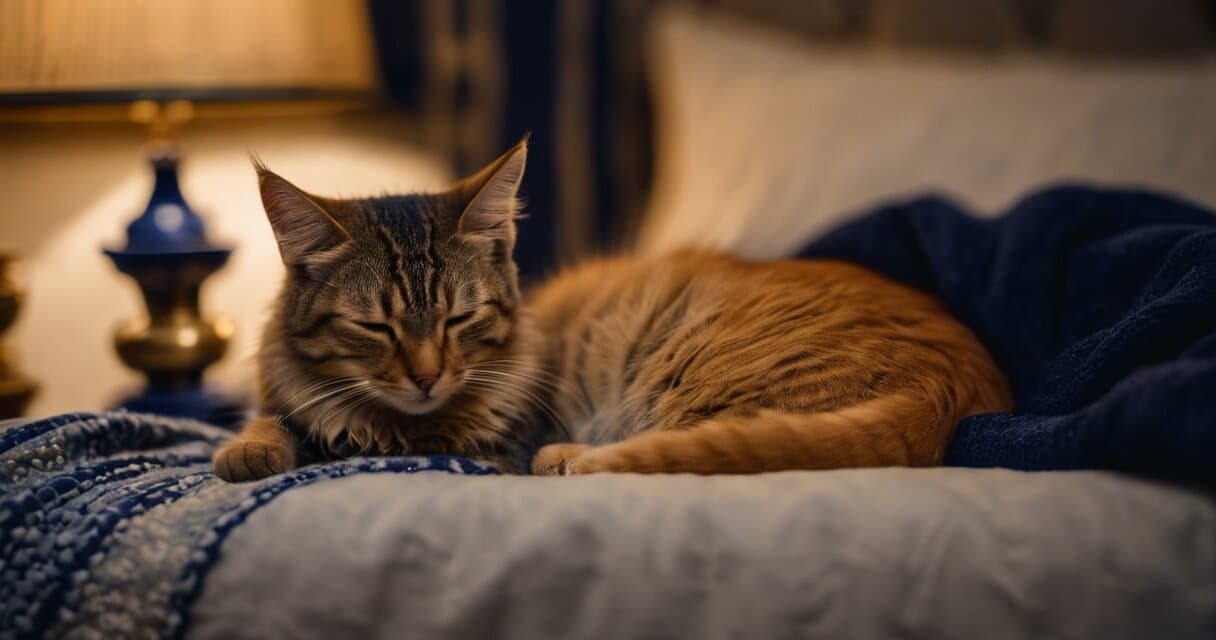
An anxious pet does not keep only itself awake. A dog that paces at every gust of wind, or a cat that prowls and cries at 3am, pulls the whole household out of sleep with it. If you have found yourself lying awake listening to a restless animal, calming music is one of the gentler things worth trying.
Does it actually work?
For dogs, the evidence is real, if modest. Studies in shelters and homes have found that soft classical music and purpose-composed calming tracks can lower visible signs of stress, less barking, less pacing, more lying down and resting. The effect is not dramatic and it can fade if the same music plays constantly, but as a nudge toward calm it holds up.
For cats, the picture is thinner. Cats are less moved by human music, but some research suggests they respond better to sound composed for feline hearing, pitched higher and paced to rhythms closer to purring and suckling than to a human heartbeat. In plain terms: cats are pickier, and generic playlists do less for them than they do for dogs.
For both, it helps to be honest about what is happening. Calming music is partly soothing in its own right, and partly a masking tool: a steady, gentle sound covers the sudden noises, a car door, distant thunder, a creak in the house, that startle an animal awake. Much of its value at night is simply raising the floor so the world stops delivering surprises.
What kind of sound settles a pet
- Slow and simple. Soft classical, a single gentle instrument, or a purpose-made calming track. Slow tempo, few surprises.
- Steady over eventful. Skip anything with a strong beat, sharp swells, or lyrics. The goal is a calm, unchanging backdrop, not a performance.
- Gentle ambient sound counts too. The same steady soundscapes that help people sleep, soft rain, quiet ambient tones, low wind, tend to settle animals as well, mostly by masking the noises that trigger them.
- Quiet, always. Dogs and cats hear far more than we do. What sounds soft to you is louder to them. Keep it low and even, from a speaker they are not right beside.
How to use it well at night
Start it before the anxious behavior begins rather than in the middle of it, so it becomes part of the wind-down rather than a reaction to distress. Keep the same sound most nights, so it turns into a cue that the day is over, the way a familiar routine does for us. Let it run steadily through the night rather than cutting off after an hour, since a pet that has settled to a sound can stir when it suddenly stops, the same way we do. And pair it with the ordinary things: enough exercise during the day, a comfortable spot, a dark and quiet room.
Keep your expectations honest. For a pet with genuine separation anxiety or a real noise phobia, thunderstorms, fireworks, music helps at the edges but is not a treatment. It works best alongside guidance from your vet or a qualified trainer, not instead of it.
A calmer house sleeps better
There is a quiet upside here for you. The steady, gentle sound that helps an anxious animal settle is often the same sound that helps a person drift off, and a household that is calm at night is calm for everyone in it. If the barking or the pacing has been the thing keeping you up, settling the pet may settle you too.
Dreamtide includes a set of gentle, purpose-made pet calming tracks alongside its soft rain, ambient beds, and slow soundscapes, all designed to loop steadily and quietly through the night. If a restless dog or cat has been part of what is keeping your home awake, it may be worth having on in the background tonight. Our guide to the best sounds to fall asleep to covers the same gentle sounds for the humans in the house. Dreamtide offers a free 7-day trial if you would like to try it tonight.
Common questions
Does calming music actually work for dogs and cats?
There is real, if modest, evidence for dogs. Studies in shelters and homes have found that soft classical music and specially composed calming tracks can lower signs of stress in dogs, such as barking and pacing, and encourage rest. Evidence for cats is thinner, though some research suggests cats respond better to music pitched and paced to feline hearing than to human music. For both, the effect is a gentle nudge toward calm, not a switch.
What kind of music calms pets best?
Slow, simple, and steady works best: soft classical pieces, gentle solo instruments, or purpose-made pet calming tracks with a slow tempo and few sudden changes. Avoid anything with a strong beat, sharp dynamics, or lyrics. The same steady soundscapes that help people sleep, gentle rain and soft ambient tones, also tend to settle animals, largely because they mask the sudden noises that startle them.
How loud should it be, and should it play all night?
Keep it quiet. Dogs and cats hear far better than we do, so what sounds soft to you may be plenty for them. Play it at a low, even volume from a speaker they are not right next to. Leaving steady, gentle sound on through the night is fine and can help an anxious pet settle, especially one bothered by thunder, fireworks, or street noise.
Can calming music help with separation anxiety or thunderstorms?
It can help take the edge off, mostly by masking the sounds that trigger fear and by providing a familiar, steady backdrop. It is a supportive tool, not a treatment. For genuine separation anxiety or a strong noise phobia, music works best alongside guidance from your vet or a qualified trainer or behaviorist, not instead of it.
If tonight is one of those nights
DreamTide is a small, sleep-first app: slow stories, gentle wind-downs, and a seamless sound mixer, narrated in soft, real voices, with timers that fade to silence once you’re asleep. 32 soundscapes and stories are free forever, no card, and Premium starts with 7 nights free.