Why can’t I sleep even when I’m tired?
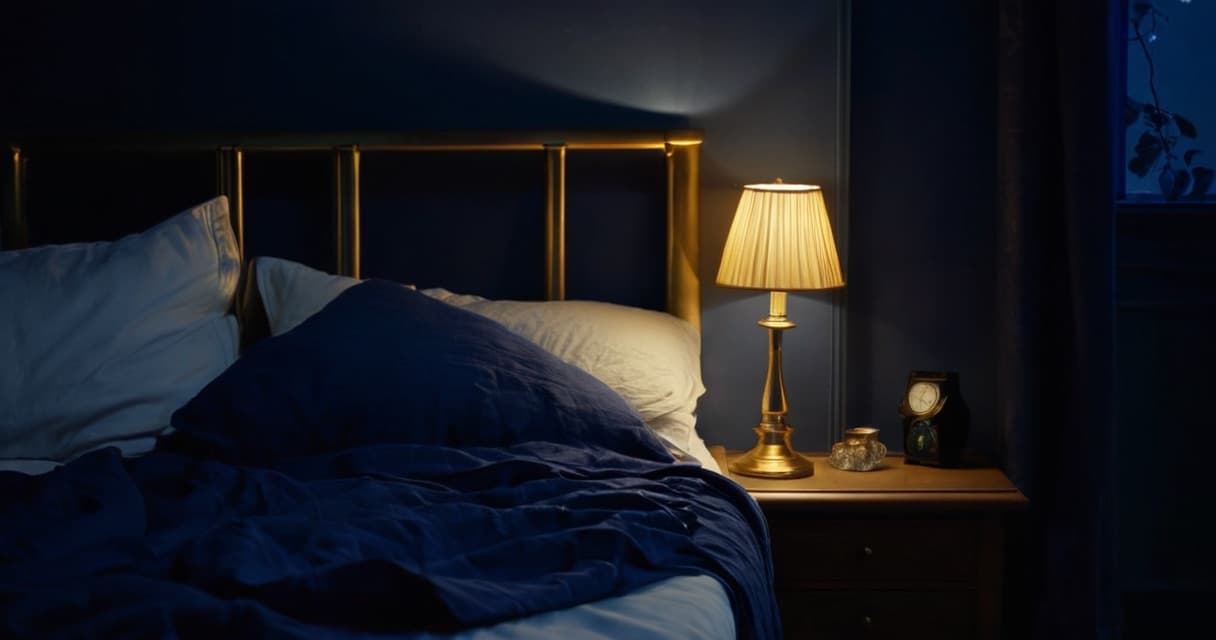
There is a specific kind of frustration reserved for being exhausted and still lying awake. Your body aches for rest. Your eyes are heavy. And yet sleep will not come, like a door that is unlocked but somehow will not open. If that is tonight, you are not doing anything wrong, and you are not alone in it.
Tired and sleepy are not the same thing
Your body runs two separate systems that are supposed to work together. Sleep pressure builds steadily through the day, the longer you are awake the stronger it gets, and it is what makes you tired. Arousal is a separate system, your alertness, run by stress hormones and your body clock, and it is what makes you sleepy or not, regardless of how much pressure has built up. Most nights these two line up. But a stressful day, a late scroll through your phone, or a schedule that has drifted can leave sleep pressure high while arousal stays stubbornly switched on. The result is exhaustion without sleepiness, which is exactly the trap it feels like.
Common reasons the gap opens up
A wired nervous system. A hard day does not just tire you out, it can leave your body in a low-grade state of alert long after the day is technically over, still scanning for the next thing to handle.
Screens close to bed. The blue light from a phone or laptop suppresses melatonin, the hormone that signals to your body that night has actually arrived. Your eyes see darkness. Your brain, thanks to the screen, is not so sure.
An irregular schedule. Going to bed at a different hour each night keeps your body clock guessing, and a body clock that does not know when night is supposed to start cannot reliably make you sleepy when it does.
Caffeine and alcohol lingering longer than expected. Caffeine has a half-life of five to six hours, so an early afternoon coffee is still partly active at midnight. Alcohol works the opposite way, it can make you drowsy at first, then fragments and lightens sleep a few hours later as it clears your system.
The second wind. Push past your natural sleep window and your body sometimes responds by ramping alertness back up rather than down, a kind of overtired overdrive that can leave you feeling wide awake right when you most needed to be asleep.
Bridging the gap between tired and sleepy
The fix is rarely a single trick, it is a runway. Start dimming the lights an hour before bed, since darkness is one of the clearest signals your body reads. Build a short, repeatable wind-down, the same few steps in the same order each night, so your body learns to recognize them as the beginning of sleep rather than just another part of the evening. And if you are lying there wired and frustrated, get up. Move to a dim, quiet room, do something calm and a little boring, and go back to bed only once you actually feel sleepy. Staying in bed while frustrated teaches your body to associate the bed with wakefulness, which is the opposite of what you want.
If your mind is part of what keeps arousal switched on, our guide to falling asleep with a racing mind covers the thought side of this in more depth, and why you wake at 3am is the close cousin of this problem for the middle of the night.
Be patient with it
The gap between tired and sleepy tends to close gradually rather than all at once, especially if it has been open for a while. A single good wind-down will not undo weeks of an irregular schedule overnight, but it starts moving things in the right direction, and that is enough to build on.
If what you need tonight is something calm to hold your attention while sleepiness catches up to your tiredness, that is the exact gap Dreamtide’s sleep stories and guided meditations are built to bridge: a steady, unhurried voice for an overtired, wired mind to follow until sleep is finally ready to come. Dreamtide offers a free 7-day trial if you would like to try it tonight.
Common questions
Why am I exhausted but still can't fall asleep?
Your body runs two separate systems. Sleep pressure builds the longer you are awake and makes you tired. Arousal, run by stress hormones and your body clock, decides whether you feel sleepy. Most nights they line up, but a stressful day, a late scroll, or a drifting schedule can leave sleep pressure high while arousal stays switched on. The result is exhaustion without sleepiness.
What is the difference between tired and sleepy?
Tired is the weight of accumulated sleep pressure, your body asking for rest. Sleepy is your arousal system actually standing down so sleep can arrive. You can be deeply tired and not at all sleepy if your nervous system is still wired, which is exactly the frustrating gap that keeps you awake.
Is the second wind real?
Yes. If you push past your natural sleep window, your body sometimes ramps alertness back up instead of down, a kind of overtired overdrive. It can leave you feeling wide awake right when you most needed to be asleep. The fix is to notice your window and start winding down before you sail past it.
Should I stay in bed if I can't sleep?
If you are lying there wired and frustrated, it helps to get up. Move to a dim, quiet room, do something calm and a little boring, and go back to bed only once you actually feel sleepy. Staying in bed while frustrated teaches your body to associate the bed with wakefulness, which is the opposite of what you want.
If tonight is one of those nights
DreamTide is a small, sleep-first app: slow stories, gentle wind-downs, and a seamless sound mixer, narrated in soft, real voices, with timers that fade to silence once you’re asleep. 32 soundscapes and stories are free forever, no card, and Premium starts with 7 nights free.